The project "Gravitational waves, black holes, and fundamental physics" led by M. Zilhão (co-PI C.Herdeiro), fully based at Aveiro U., was one of the six Scientific Research and Technological Development Projects selected for funding in the 2022 FCT Call for R&D projects in the Physics panel. All results can be seen here.
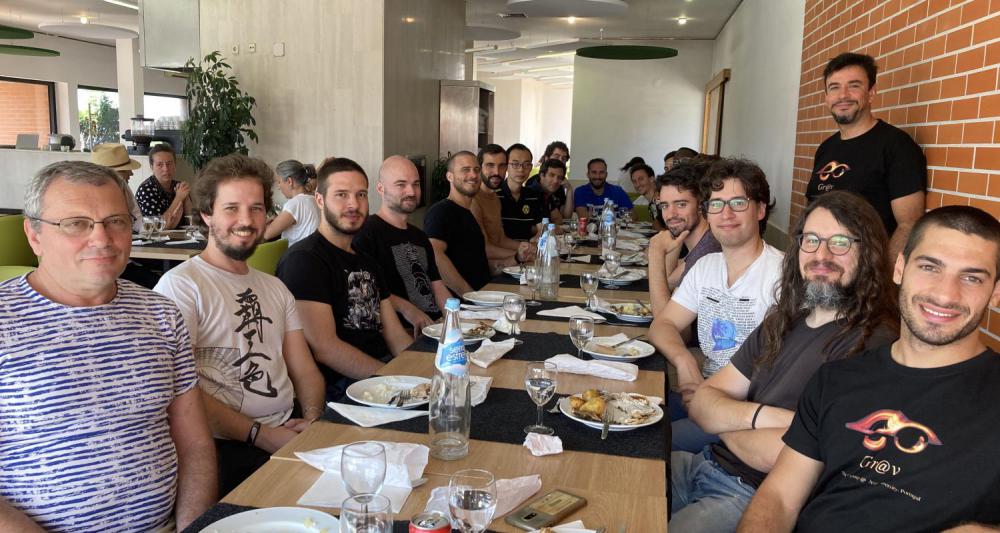
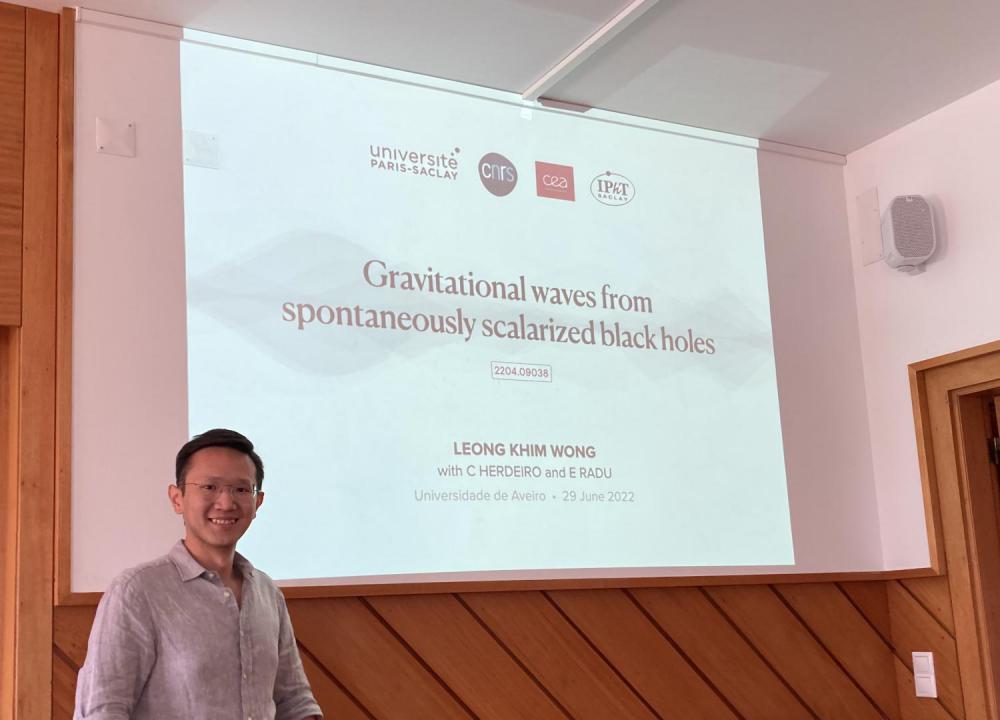
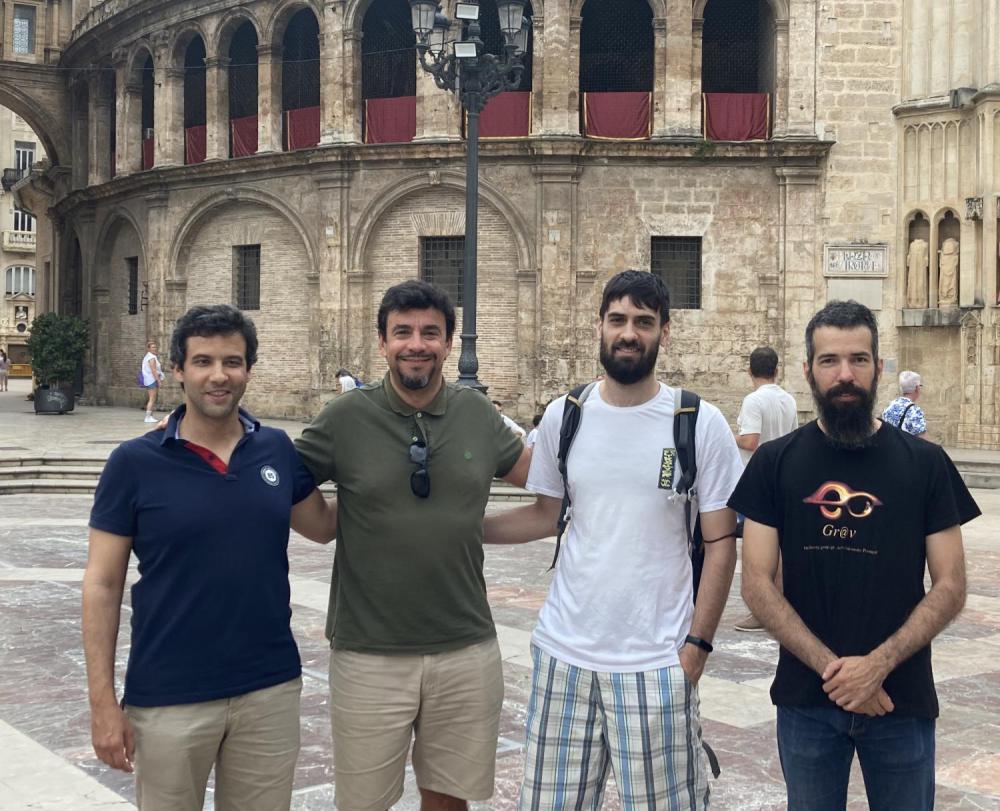
As the academic year 2021/22 draws to a close our group is welcoming the visits of Yasha Shnir (Oldenburg, Germany), Jorge Castelo (Santigo de Compostela, Spain) and Sergio Gimeno Soler (IST-Lisbon and Valencia, Spain).
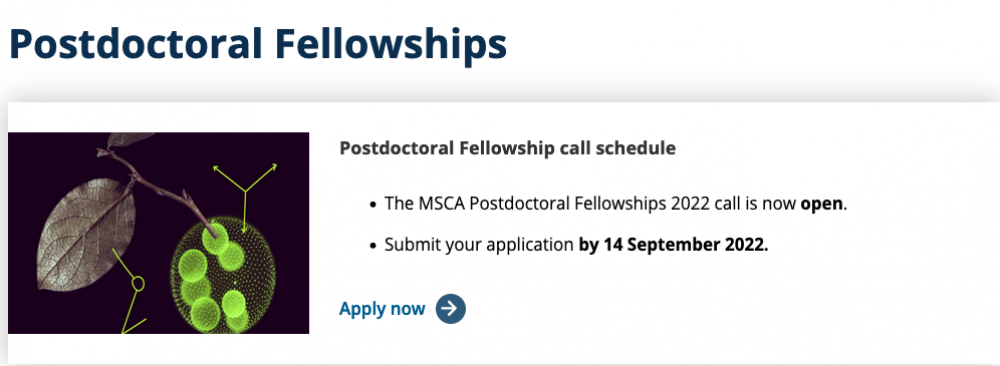
Marie Sklodowska Curie Actions fund post-doctoral fellowships. A call is currently open (until 14 September 2022). Aveiro University and our group can host appropriate candidates for these grants. Please contact the group coordinator (C. Herdeiro) in case you are interested in applying.
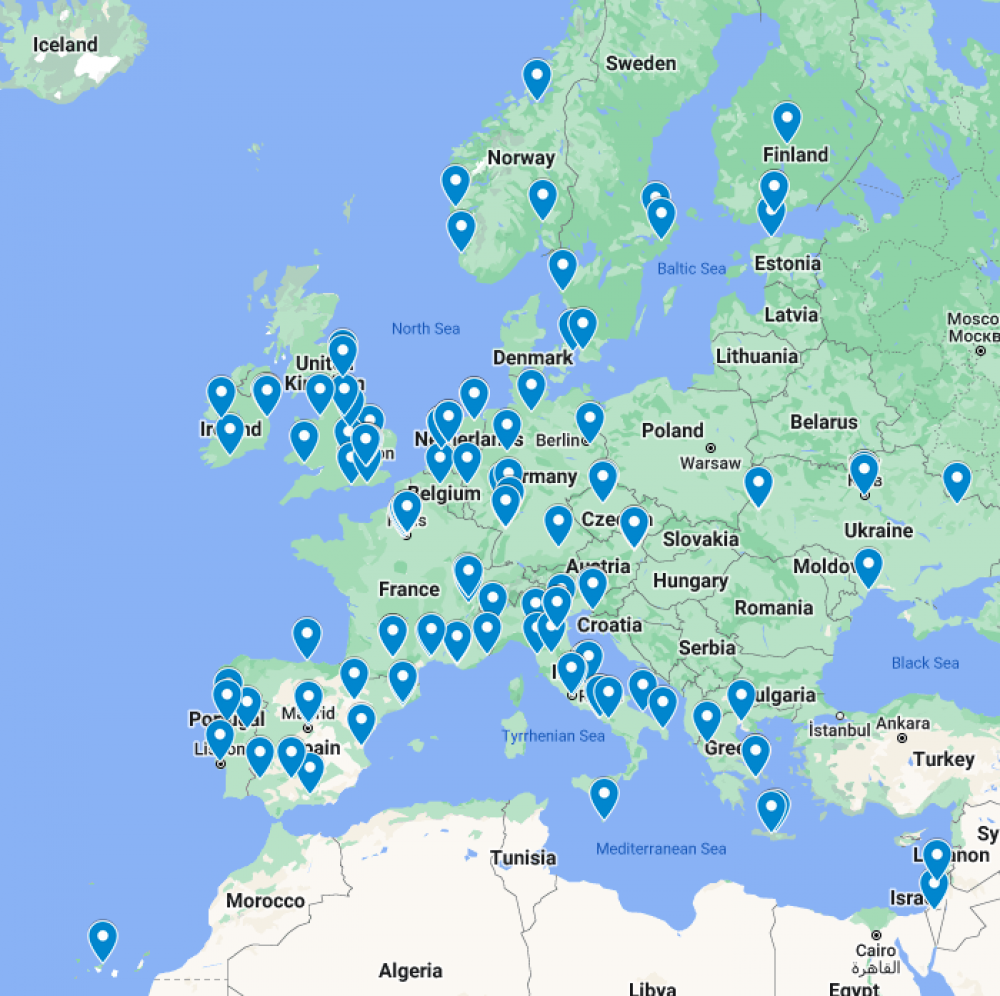
Gr@v is one of the 126 groups/institutions that joined the European Consortium for Astroparticle Theory (EuCAPT). EuCAPT purpose is to bring together theoretical cosmologists and astroparticle physicists across Europe aiming at increasing the exchange of ideas, coordinate scientific activities, help in the attraction of adequate resources as well as promoting a stimulating, fair and open environment in which young scientists can thrive. Gr@v's participation is coordinated by A. Morais.
Group member Felipe Freitas embraced a new career at Électricité de France (EDF), at the bureau based on Brighton UK. Felipe's expertise on machine/deep learning will now be applied to other problems. Felipe will remain a collaborator of the group still developing some of our current research directions. See you soon Felipe!
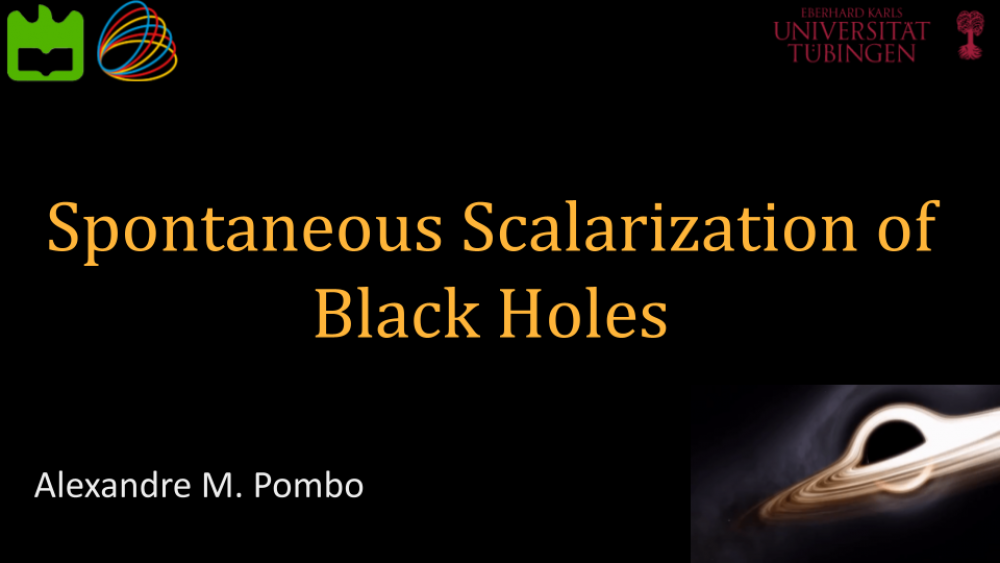
Gr@v member Alexandre Pombo, gave the invited seminar "Spontaneous scalarization of black holes" for the Theoretical Astrophysics Tuebingen group, during his visit from 1 - 5 Jun.
Our group coordinated the "Numerical Relativity and High Energy Physics" IRSES network (2012-2015). Here is a list of the global network meetings organized: