Astrophysics News & Events
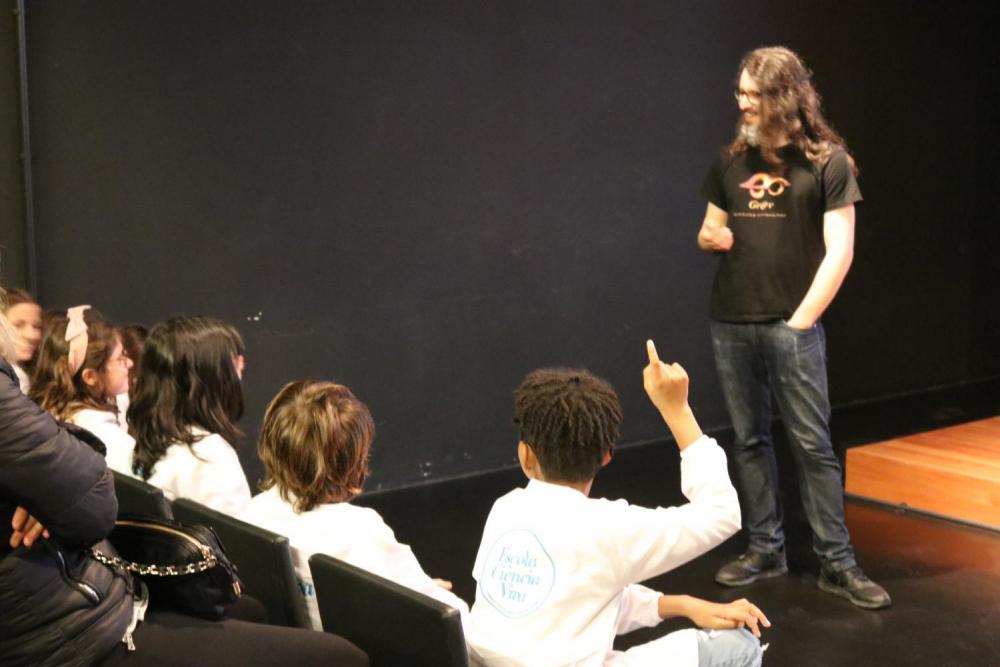
Gr@v member Miguel Zilhão was the guest for the activity "Meeting with a scientist", organized by the outreach centre Fábrica.The audience was a group of 4th grade students from the Primary Schools of Glória and São Jacinto. They were all very curious about the Universe and asked a lot of interesting questions.
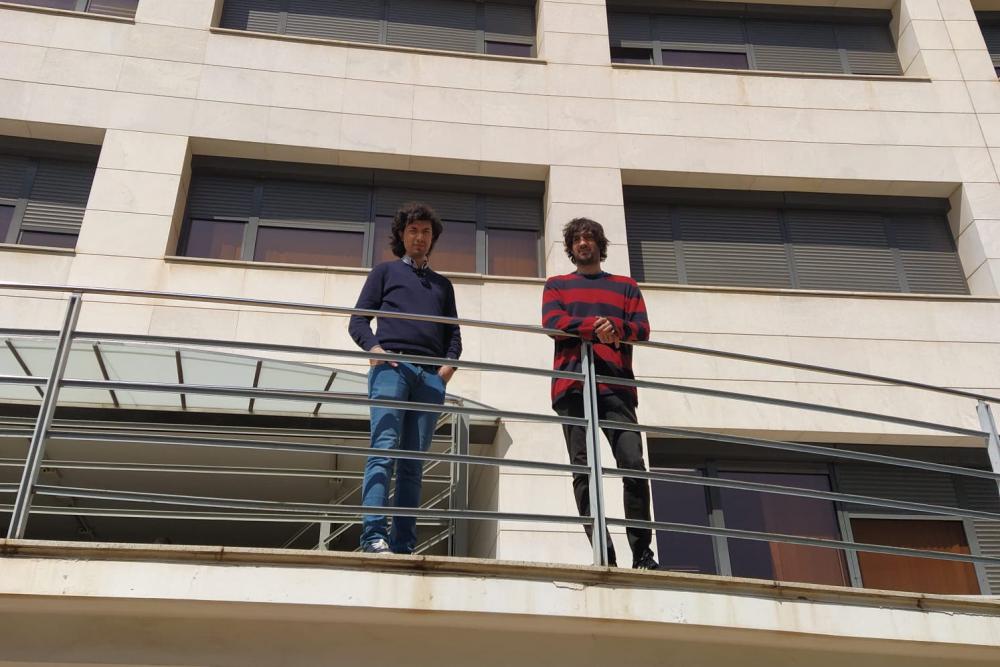
Gr@v Ph.D. student Marco Brito, visited the U. Valencia within the NewFunFiCO Marie Curie Staff Exchange grant, coordinated by our group. [In the photo with his host, former group member Nico Sanchis-Gual]
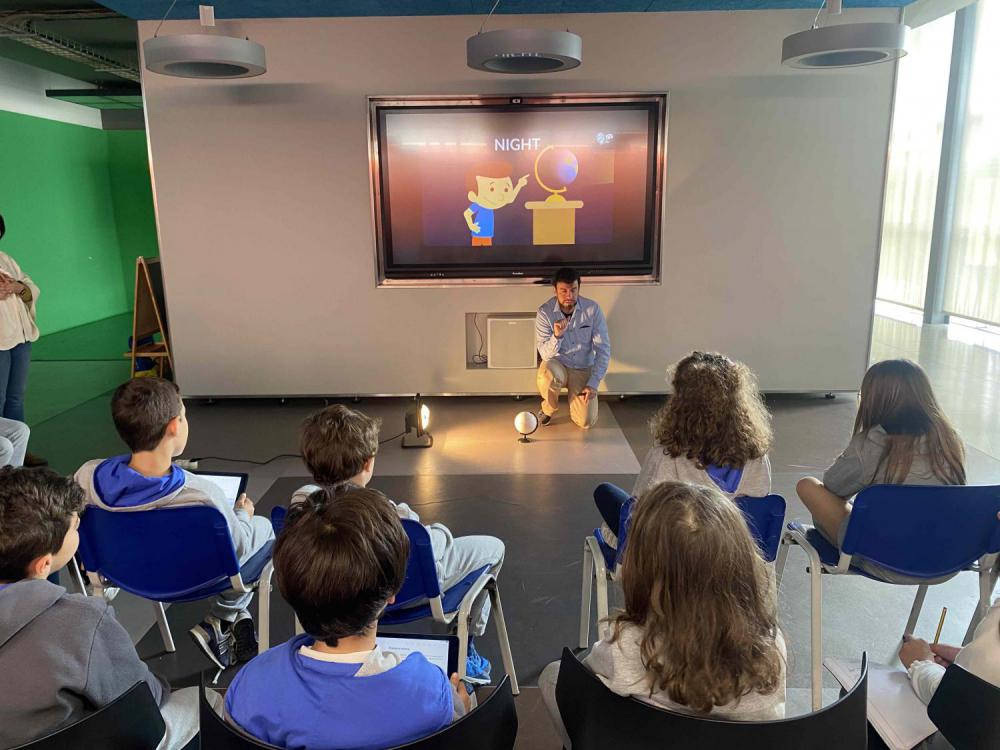
Our group visited Colégio de Lamas, in Santa Maria da Feira, to explain basic concepts about Earth and Space. Inevitably, the questions end up discussing black holes!
A call for one 1-year research grant in Strong Gravity for M.Sc. holders enrolled in a doctoral programme at Aveiro University, within the research grant “Gravitational waves and black holes as ultralight dark matter particle detectors", CERN/FIS-PAR/0024/2021, is open from 20 March to 10 April 2023. See attached document for details (in Portuguese) or the Euraxess announcement (in English) here.
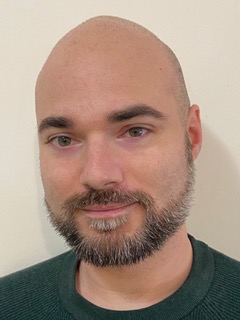
Full Name: Sergio Gimeno-Soler
Position: Junior Research Fellow (2023-24)
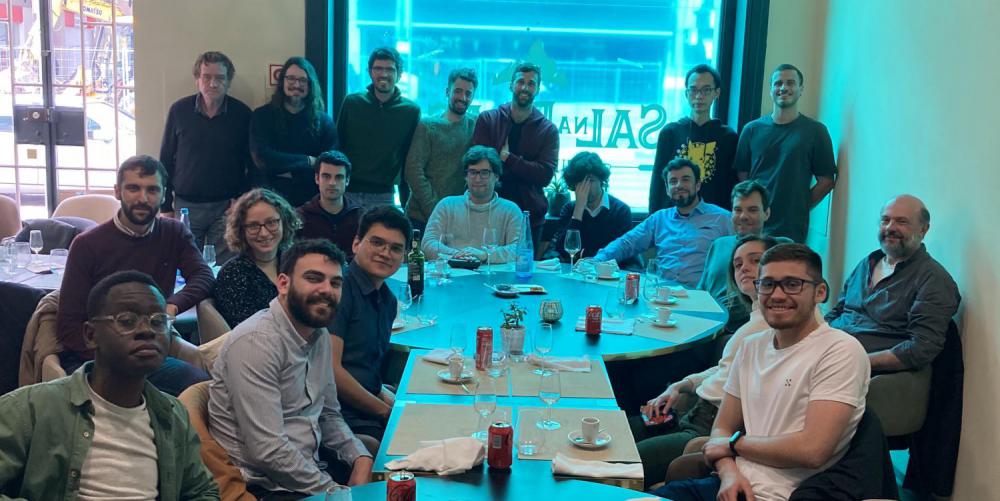
Celebrating the recent "UA Investigador" prize and the group's many (great) guests on Mar 7th 2023. Thank you to Prof. Carolina Benone (U. F. do Pará, Brazil) for the visit and welcome to Prof. Maurício Richartz (U. F. ABC, Brazil), who is joining us for a month. And we also got the short visit of Francisco Duque, from IST-Lisbon, who presented the group seminar on Mar 8th.
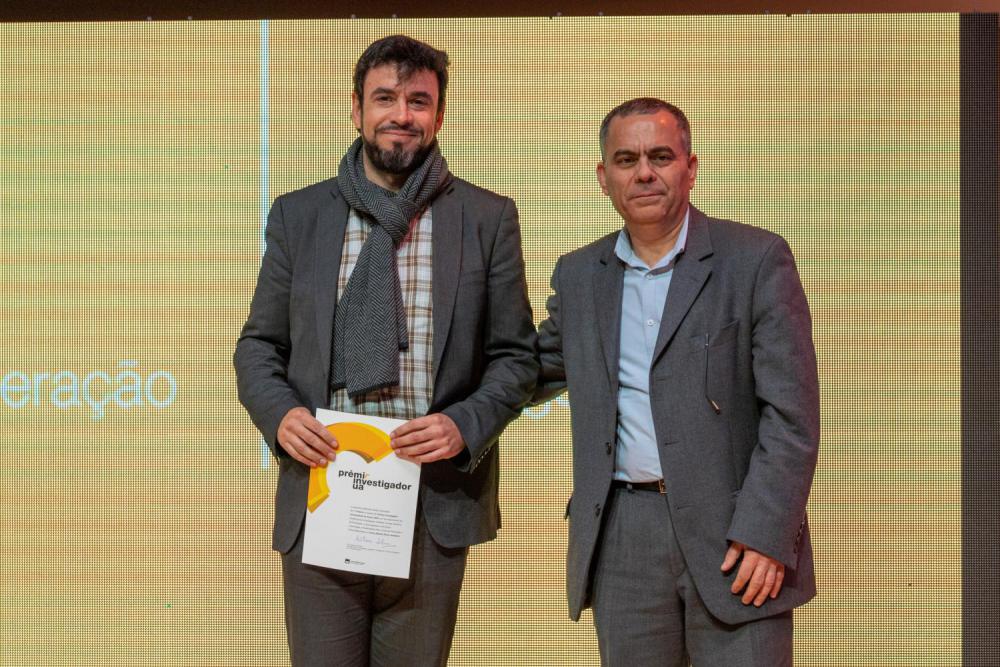
The 2022 "Investigador UA" prize was awarded to Gr@v member C. Herdeiro. This award celebrates excellence in research within the U. Aveiro. The awarding cerimony (1/3/2023) can be seen here. The UA coverage can be read here and here.
The last four sessions of the Gr@v group seminars are now on YouTube in our dedicated channel https://www.youtube.com/@Gravchannel. These include the talks from Raimon Luna (University of Valencia), Stephen Green (Univeristy of Nottingham), Beatrice Bonga (Radboud University) and Visakan Balakumar (Sheffield University).
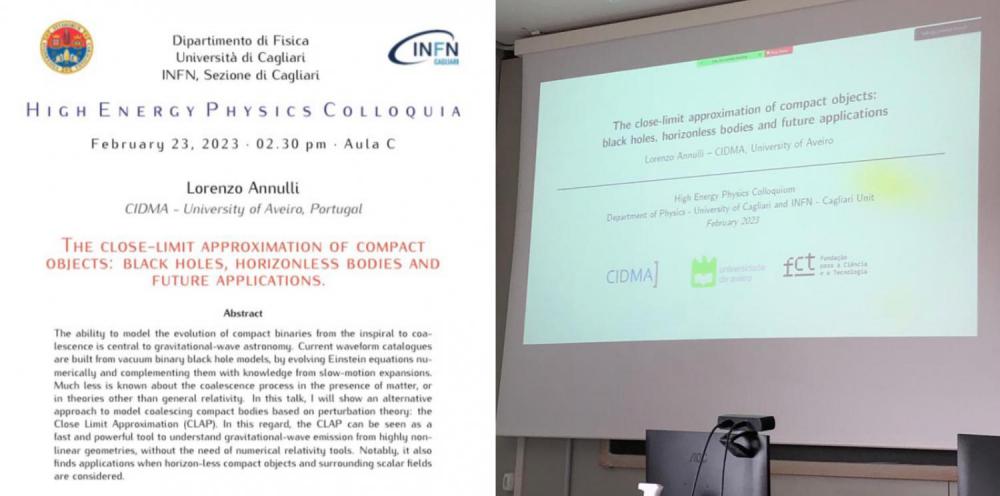
On February 23, Gr@v member Lorenzo Annulli gave an invited seminar at the University of Cagliari and INFN - Cagliari Unit, in the beautiful seaside city of Cagliari, Sardinia. The seminar, entitled "The close limit approximation of compact objects: black holes, horizonless bodies and future applications" , focused on black holes, gravitational waves and their physics.
Lorenzo has been hosted by Prof. Mariano Cadoni, Andrea Sanna, Mauro Oi and the HEP Colloquia Organizing Committee; many thanks to all of them!
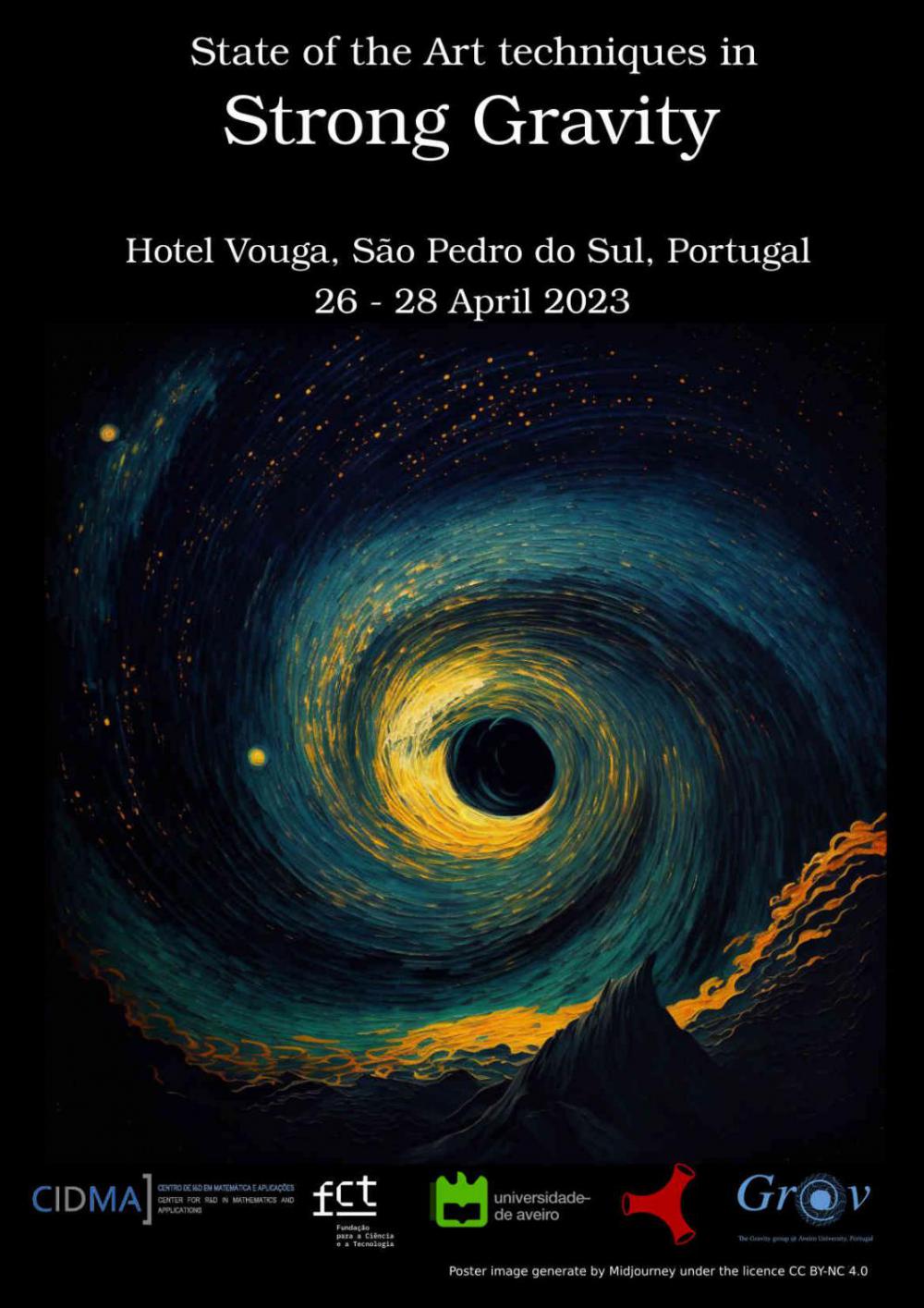
The gravity group in Aveiro is organizing a retreat-type group meeting, with a few guests, designed for a period of concentrated discussion and strategic thinking. The meeting, called "State of the art techniques in Strong gravity", is scheduled for 26-28 April 2023, in Hotel Vouga, São Pedro do Sul, Portugal.
This meeting will be held fully on-site, with no online component.