Strong Gravity News & Events
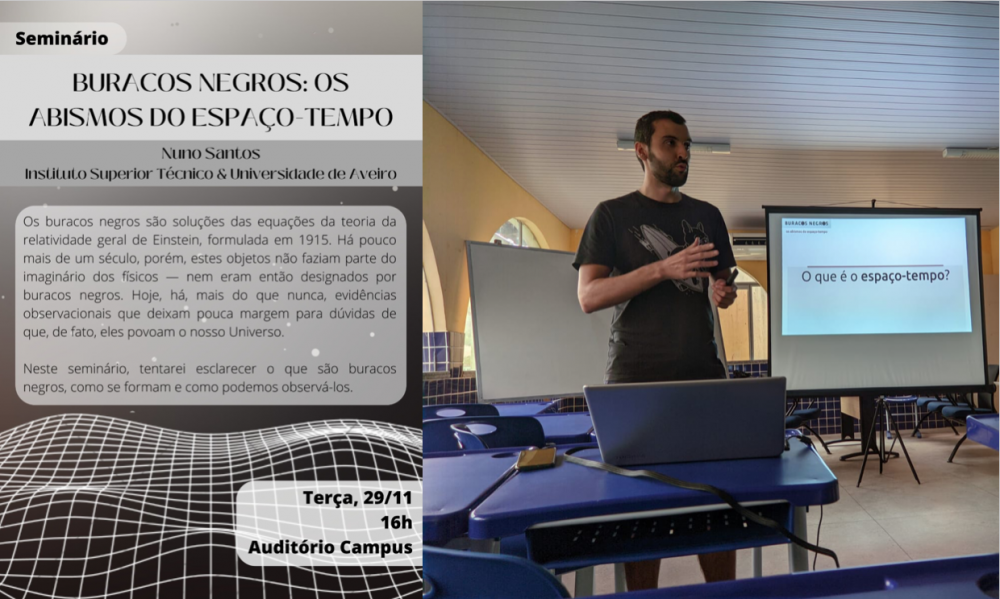
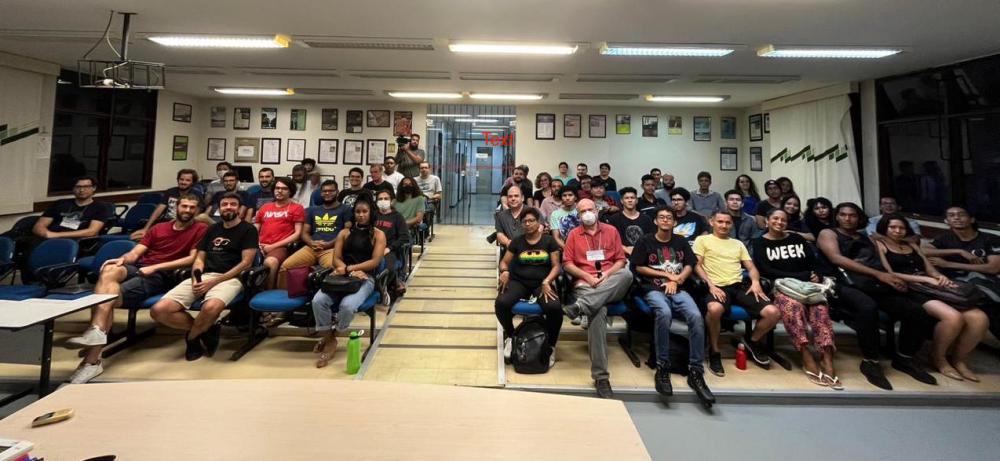
On November 29, Gr@v member Nuno M. Santos gave an outreach seminar at Universidade Federal do Pará (Campus Salinópolis) on the peculiar nature of black holes and the observational evidence for their existence. He was hosted by Prof. Carolina Benone, a former Gr@v member and current collaborator.
A call for a 1 year (post-doctoral) researcher position in Strong Gravity. within the research grant “Gravitational Waves and black holes as ultralight dark matter particle detectors", CERN/FIS-PAR/0024/2021, is open. The call closes on December 2nd 2022. See attached documents for details or the Euraxess announcement here.
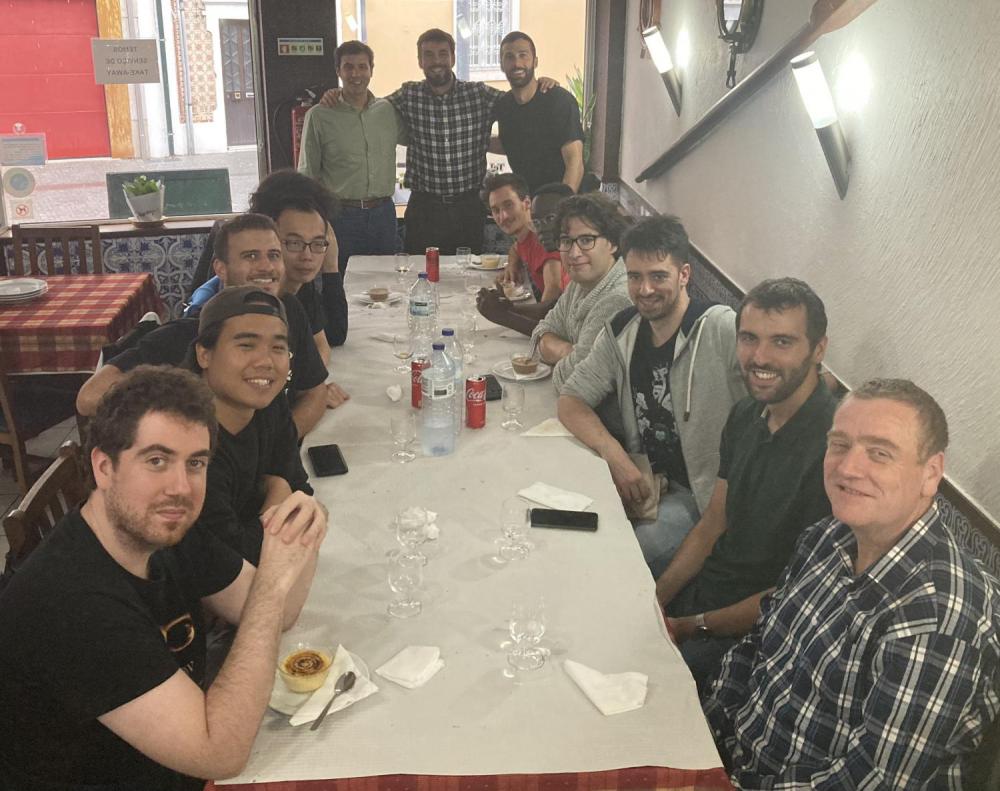
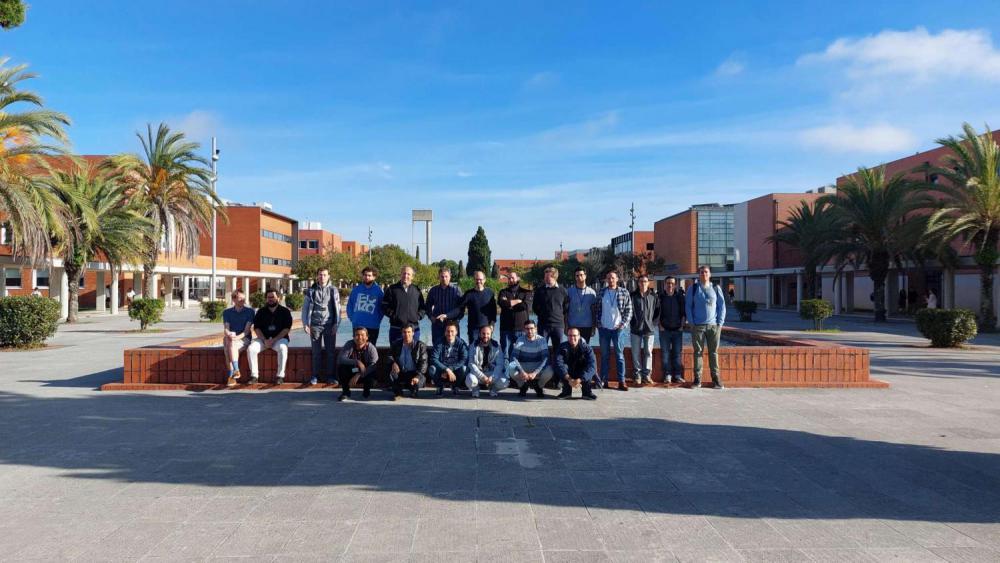
Part of our group got together on Oct 28 2022 to cellebrate Eugen Radu's faculty position at U. Aveiro and to bid (temporarily) farewell to António Morais' who will embark on a half a year visit to CERN. Great food at "Mestre do Leme" in Aveiro.
The first BSM2 meeting, organized by our group, took place at Aveiro University during the week 10 to 14 of October. It was in intense week with a handful of rich discussions in hot HEP topics, a number of software tutorials and, above all, new BrainStormed ideas for future scientific projects. Recordings of all presentations and subsequent discussions can be revisited here.
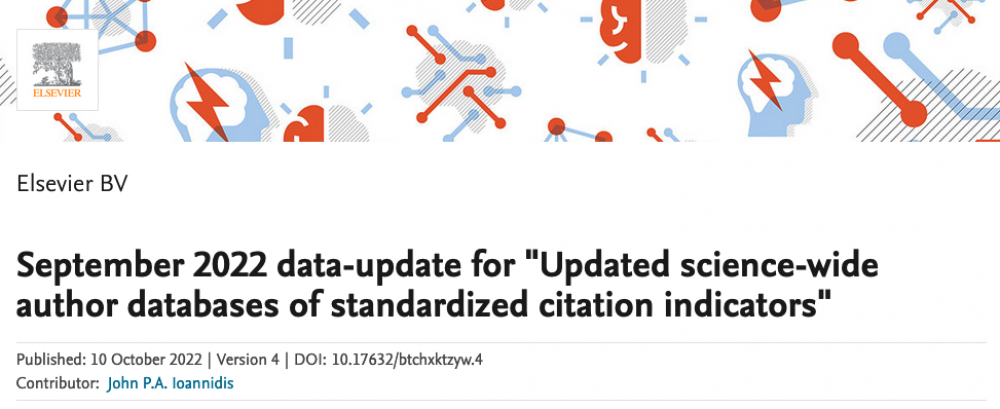
The 2022 update of the Stanford researchers ranking (led by John Ioannidis), places (again) Gr@v researchers C. Herdeiro and E. Radu in the top 2% of their field worldwide, for both their career and the year of 2021. For the latter, P. Cunha and former member N. Sanchis-Gual also enter the top 2% in their field. C.
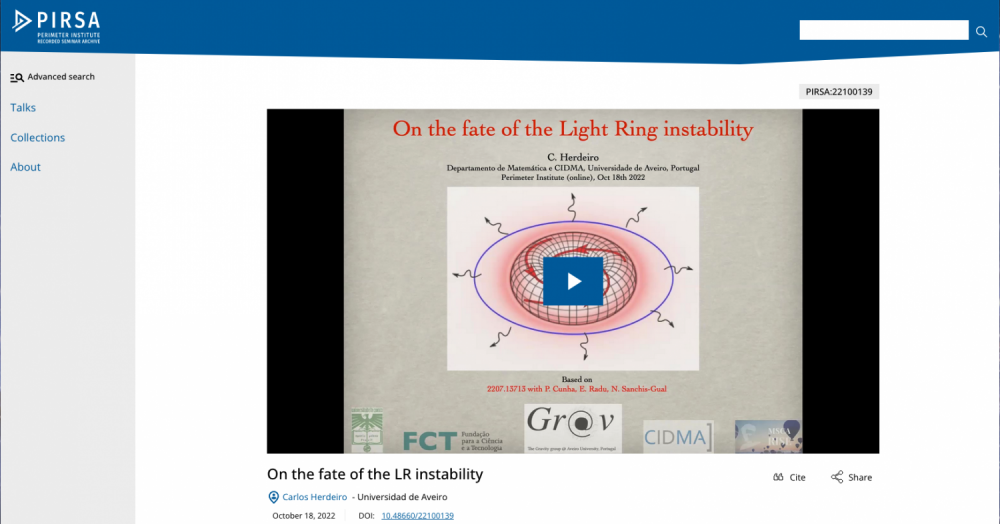
C. Herdeiro gave an invited webinar for Perimeter Institute on Oct. 18 2022. The video recording can be seen here.
Eugen Radu, a research fellow at U. Aveiro since 2013, became a staff member under a tenured (assistant) researcher position. Dr. Radu has given a central contribution to the development of the Gr@v group over the last decade and his permanent hiring is an important step towards the consollidation of the group.