Latin American Symposium on HEP
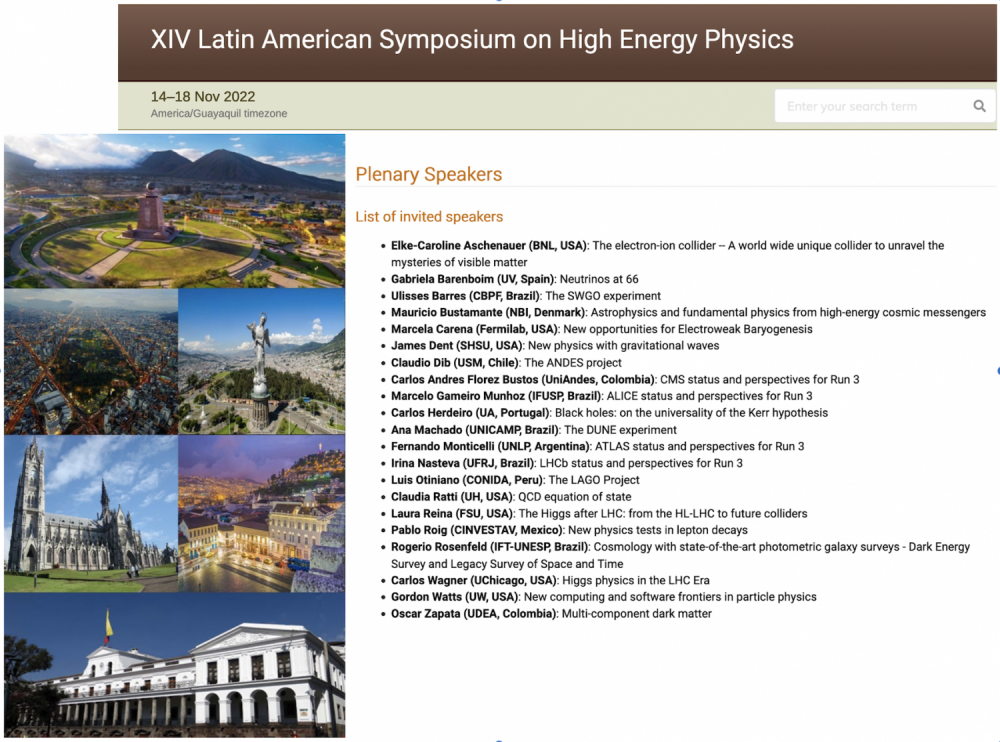
The Latin American Symposium on High Energy Physics 2022 (XIV SILAFAE) took place in Quito, Ecuador, from 14-18 November 2022. Gr@v member C. Herdeiro was one of the invited speakers.

The Latin American Symposium on High Energy Physics 2022 (XIV SILAFAE) took place in Quito, Ecuador, from 14-18 November 2022. Gr@v member C. Herdeiro was one of the invited speakers.

A call for a 1 year (post-doctoral) researcher position in Strong Gravity. within the research grant “Gravitational Waves and black holes as ultralight dark matter particle detectors", CERN/FIS-PAR/0024/2021, is open. The call closes on December 2nd 2022. See attached documents for details or the Euraxess announcement here.
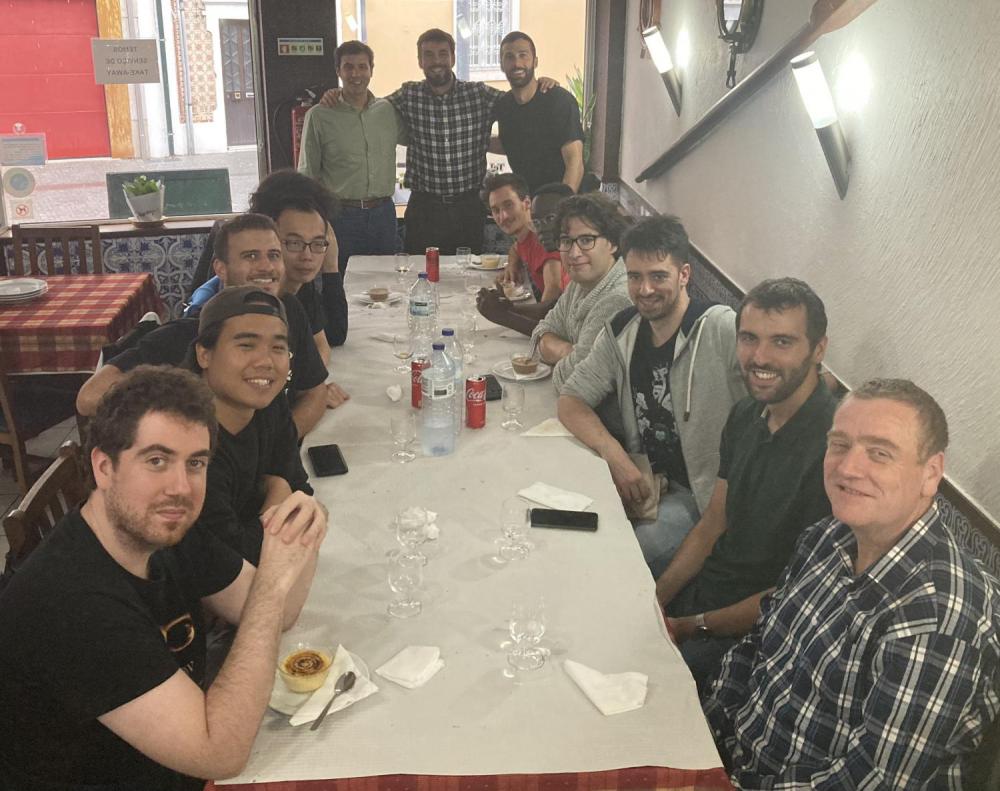
Part of our group got together on Oct 28 2022 to cellebrate Eugen Radu's faculty position at U. Aveiro and to bid (temporarily) farewell to António Morais' who will embark on a half a year visit to CERN. Great food at "Mestre do Leme" in Aveiro.
The 4th session of the Gr@v group seminars is now on YouTube in our dedicated channel https://youtu.be/tgMKGakx6yM. Subscribe and share!
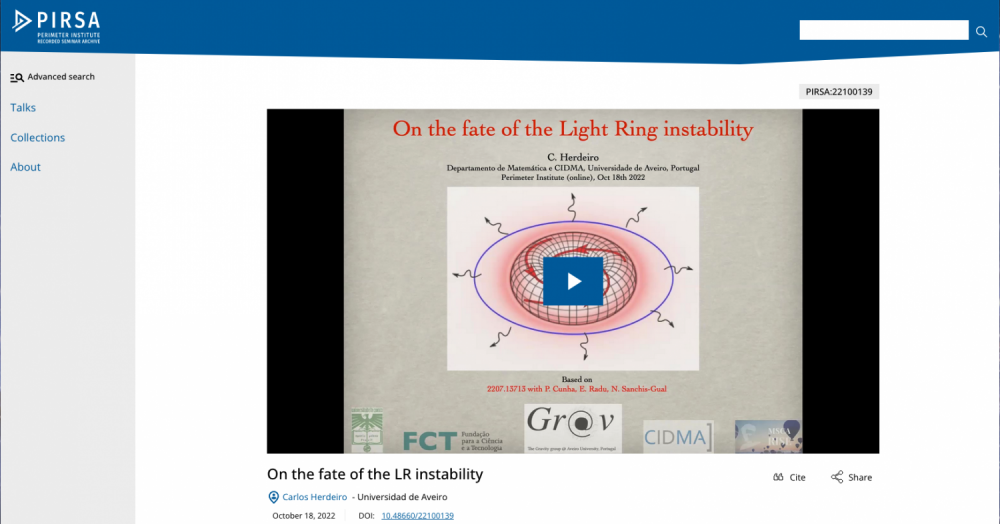
C. Herdeiro gave an invited webinar for Perimeter Institute on Oct. 18 2022. The video recording can be seen here.
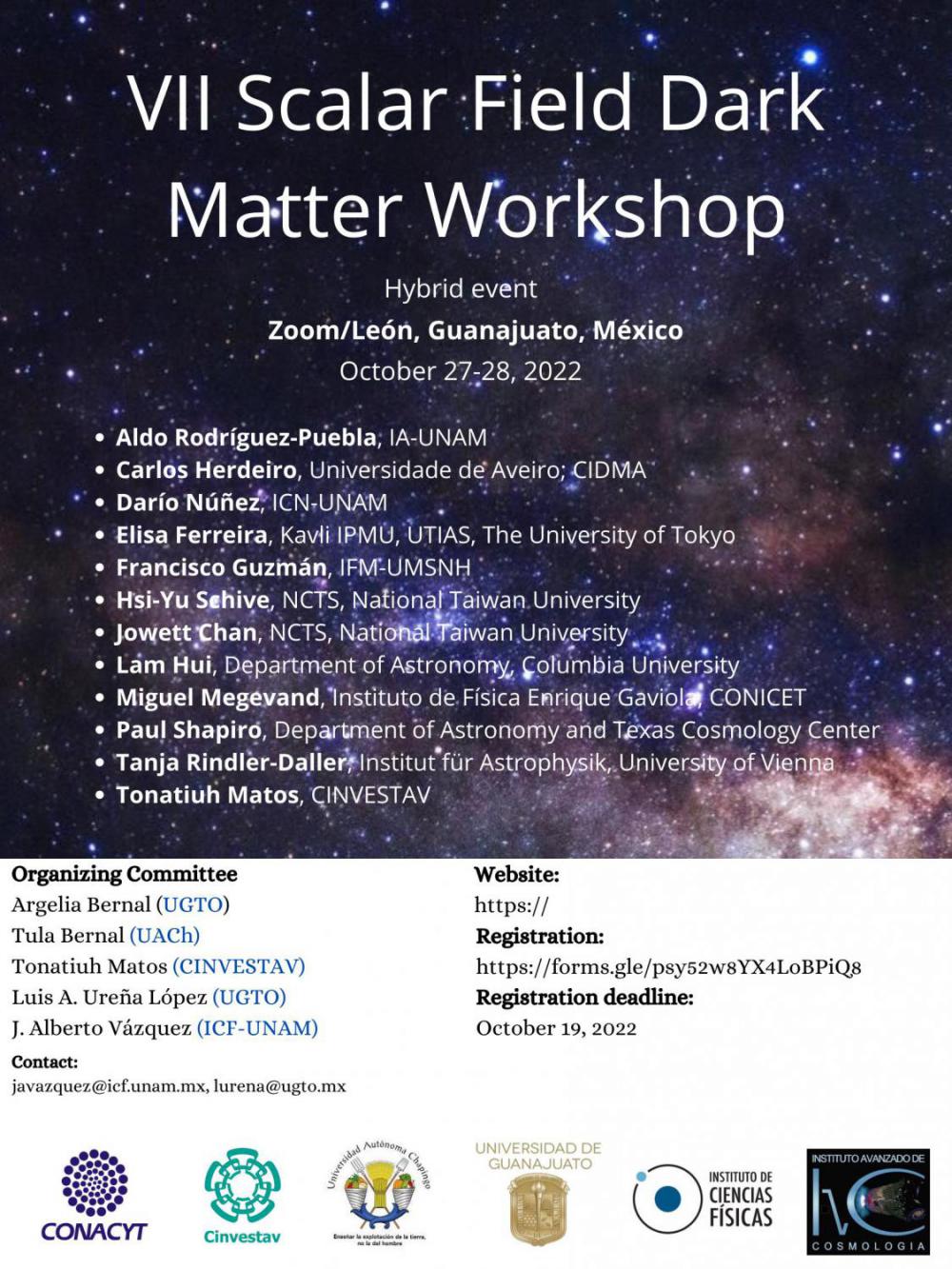
The VII Scalar Field Dark Matter Workshop, organzied by the Mexican Strong Gravity community will take place in León, Guanajuato, México, and online, on the 27-28 October 2022. C. Herdeiro is one of the invited speakers.
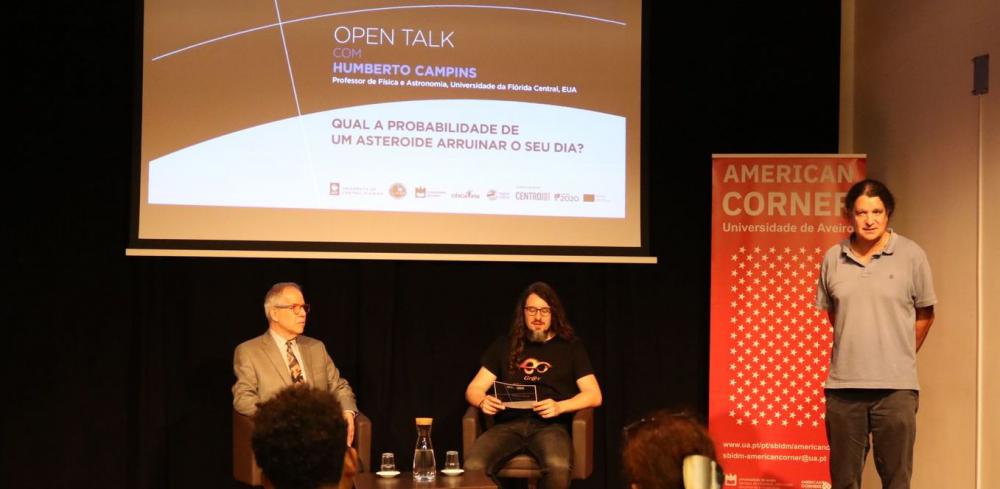
Prof. Humberto Campins came to the University of Aveiro to talk about asteroids at the outreach centre "Fábrica Centro de Ciência Viva". Gr@v member M. ZIlhão was one of the hosts, opening the session.
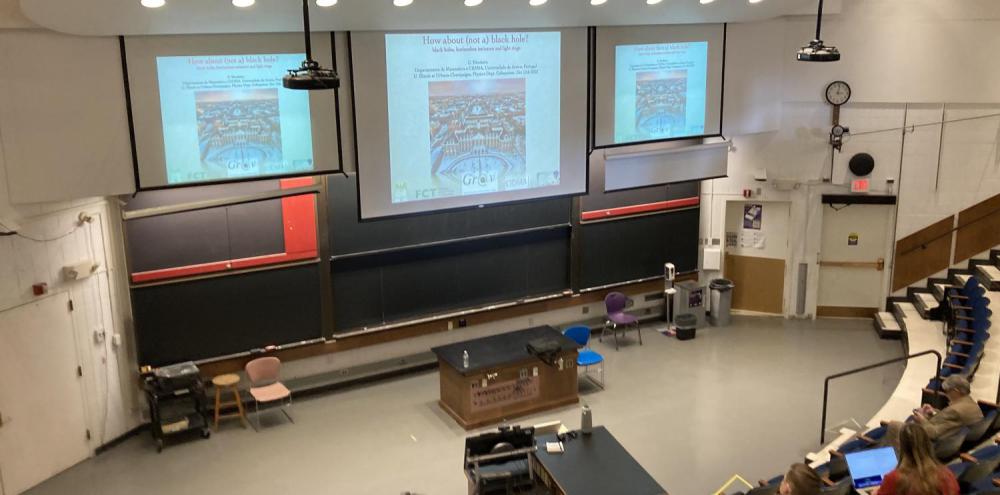
Gr@v member C. Herdeiro presented an invited colloquium at the Physics Department of the U. Illinois, at Urbana-Champaign, home of several Nobel laureates in Physics such as Anthony J. Legget (laureate in 2003) and John Bardeen (laureate in 1956 and 1972).
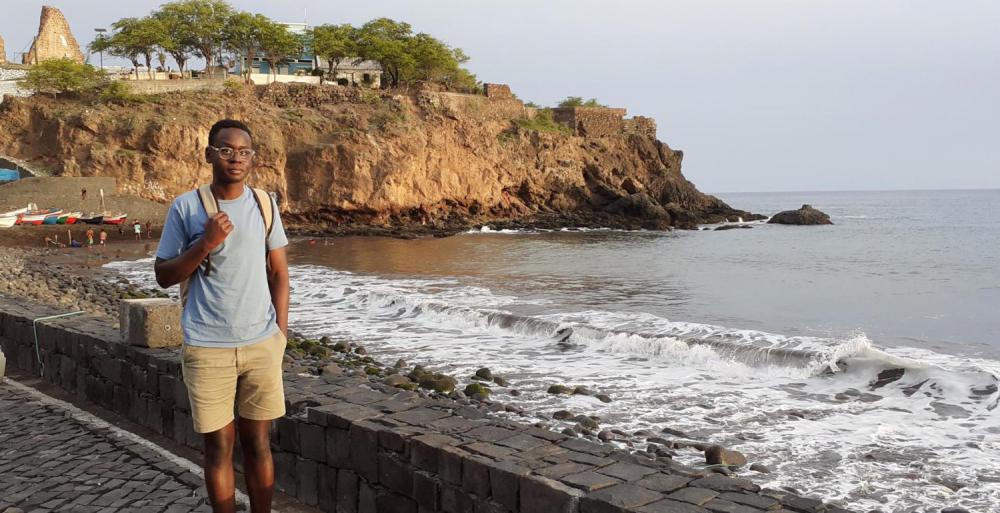
Gr@v member Ivo Sengo was one of the participants in the 4th Physics Conference of Portuguese-Speaking Countries – 4CFPLP, that took place in Cape Verde, from 12-16 September 2022. Ivo delivered a contributed talk on "Black hole shadows".
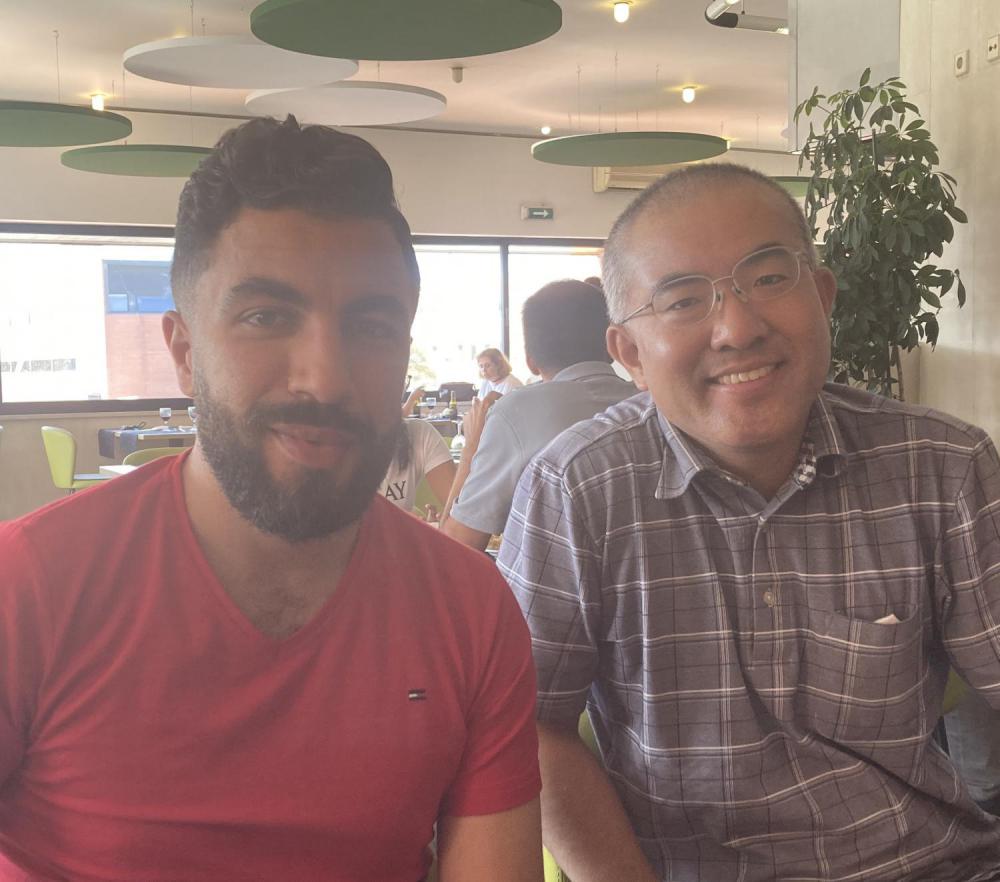
Our collaborator Kunihito Uzawa from Japan together with Zakaria Belkhadria, a Ph.D. student from U. Cagliari, Italy, are our guests this week. Zakaria is visiting us within a short term scientific mission of the COST action CA18108.